



Kashmir in Winter 2026–2027: What Mumbai Travellers Should Know Before Booking Their Trip
Introduction: Leaving the Coast for the Mountains
For anyone living in Mumbai, Thane, Kalyan, or Navi Mumbai, stepping off an aircraft at Srinagar’s Sheikh ul-Alam Airport between October and January is an immediate sensory shift. Within less than three hours of taking off from the humid coastal flatlands of Chhatrapati Shivaji Maharaj International Airport (BOM), you arrive into thin, crisp mountain air where the temperature can easily be twenty to thirty degrees lower than what you left behind that morning.
That dramatic contrast is precisely why winter Kashmir holds such enduring appeal for travellers across Maharashtra. Yet, because the two environments could hardly be more different, booking a winter holiday here without understanding local geography, seasonal weather shifts, and operational realities often leads to mismatched expectations. A successful Kashmir holiday does not depend on luck; it depends on choosing an itinerary with sensible pacing, understanding what your package genuinely covers, and preparing your luggage for real winter conditions.
Why Kashmir Works So Well for a Short Couple Holiday
Couples planning an anniversary, honeymoon, or quick winter getaway frequently struggle to find destinations that feel genuinely distinct without demanding extensive transit time. Long-haul international flights require extensive leave, while closer domestic beach destinations often share the same warm maritime climate as coastal Maharashtra.
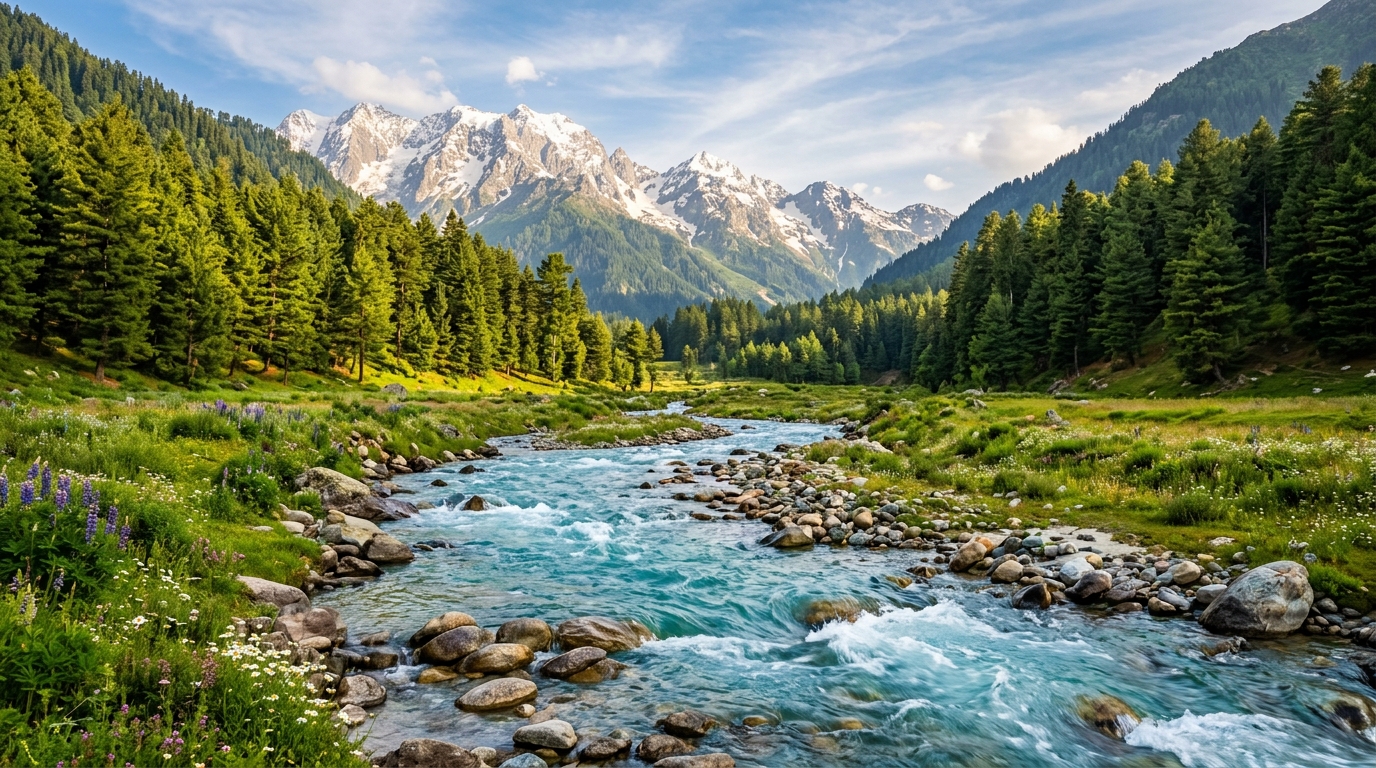
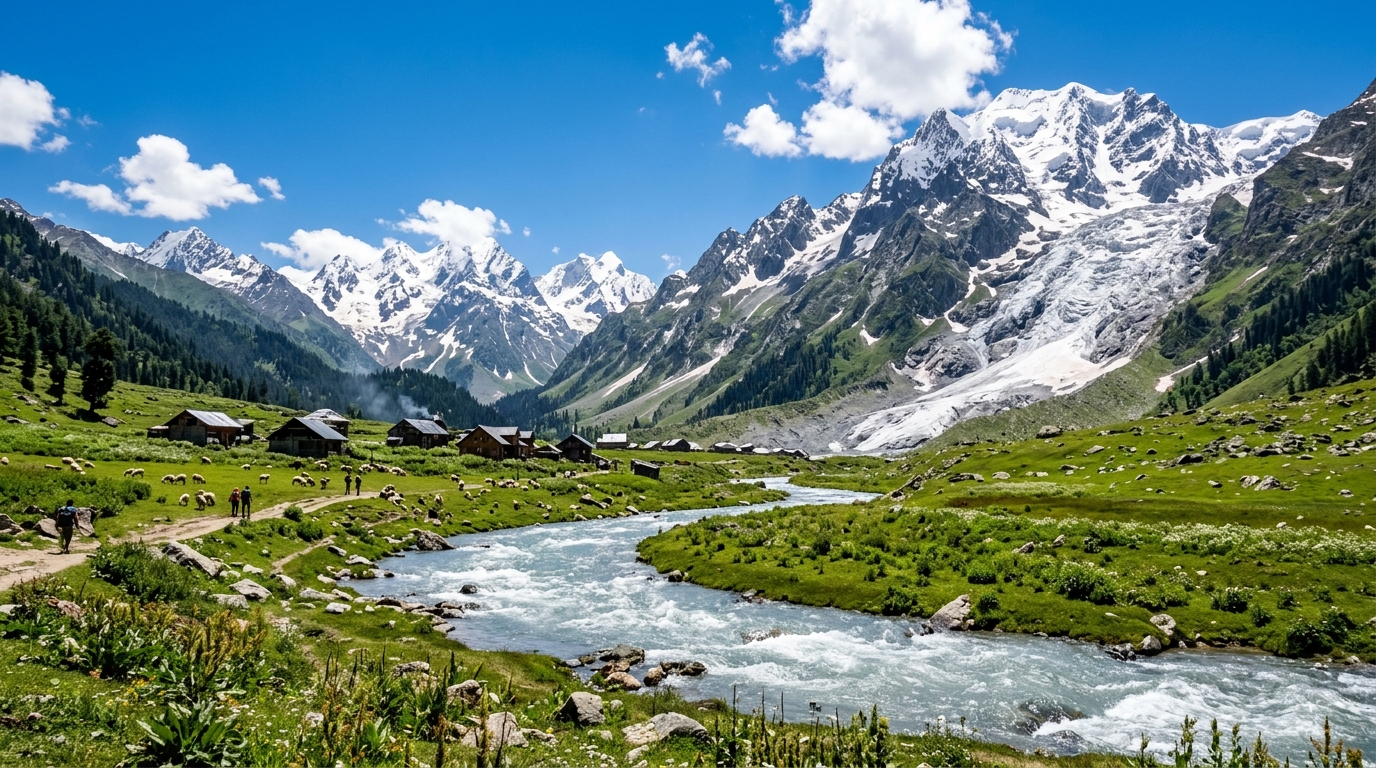
Kashmir solves this challenge because its core tourist circuit—comprising Srinagar, Gulmarg, and Pahalgam—is geographically compact. Srinagar serves as your central urban base with historical Mughal gardens, quiet lake channels, and cultural markets. Gulmarg provides high-altitude alpine meadow scenery backed by the Pir Panjal range, and Pahalgam introduces tranquil river valleys lined with dense pine forests along the Lidder River. When arranged with dedicated private transport, you can comfortably experience this trio of distinct Himalayan landscapes within a four-to-six-night timeframe without spending full days trapped in transit.
What October Feels Like in Kashmir
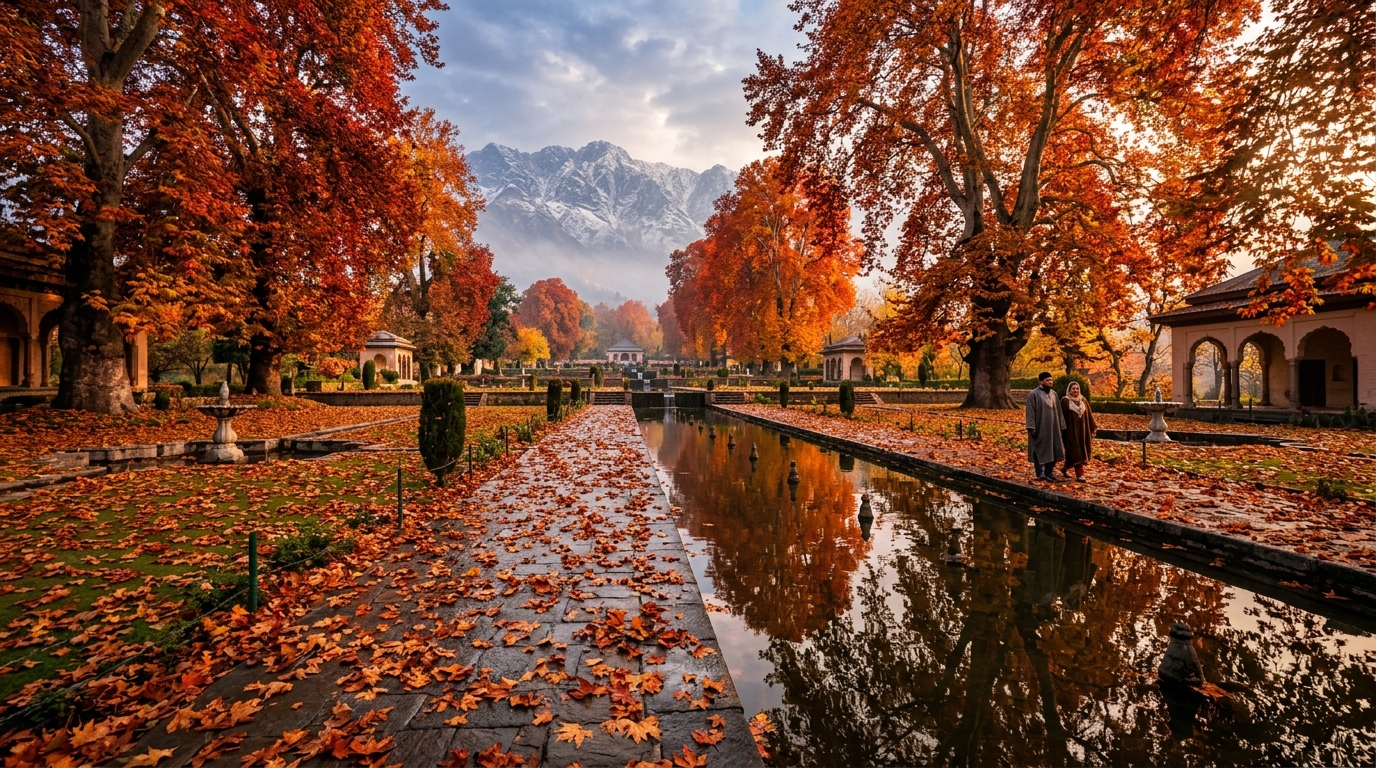
October is Kashmir’s classic autumn month. If you travel during this window, you will witness the valley’s famous Chinar trees turn from deep green into fiery amber, gold, and russet red. The air is dry, crisp, and refreshing, with daytime temperatures typically hovering between 18°C and 22°C under clear blue skies.
For couples who prefer outdoor sightseeing without intense cold, October is arguably the most physically comfortable month. You can stroll through Nishat and Shalimar Bagh or wander along Dal Lake in light woollens or a medium jacket. Nights do become chilly, usually dropping to around 8°C to 10°C, making comfortable heated accommodation a pleasant welcome at the end of the day.
What Changes in November
By November, autumn foliage gradually carpet the orchard floors and roadside avenues, and the overall pace of the valley slows down noticeably. The heavy summer and autumn tourist volumes taper off, giving the region a calmer, quieter character that many couples find particularly romantic.
The weather becomes distinctly cooler. Daytime highs often peak near 14°C to 16°C, but once the sun dips behind the mountain ridges, temperatures fall rapidly towards 2°C to 5°C. Frost begins to form on morning grass, and high peaks in the distance display fresh dustings of white. Warm jackets, thermal innerwear, and woollen caps become daily necessities rather than optional evening layers.
What to Expect in December
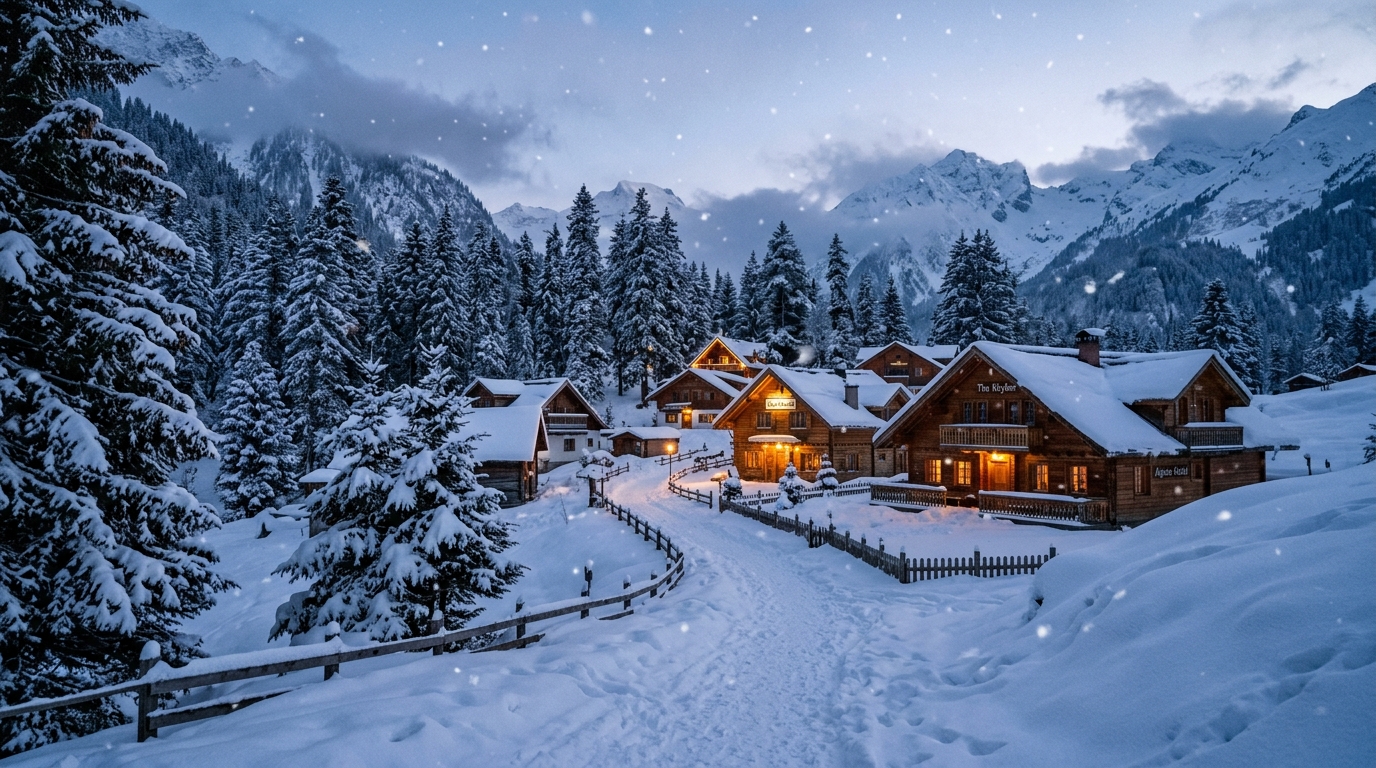
December is when Kashmir enters its full winter profile. Daylight hours become shorter, mornings are misty, and sub-zero night temperatures become standard across both Srinagar and Pahalgam, often dipping between -2°C and -4°C.
Higher elevation spots, especially Gulmarg at 2,650 metres, frequently receive seasonal cold waves with the possibility of snow on the ground in suitable terrain. However, travellers must remember that natural snowfall is weather-dependent and cannot be guaranteed on any specific calendar date. If you travel during the Christmas and New Year festive period (from 25 December to 5 January), you will encounter lively holiday enthusiasm, but advance planning is mandatory due to seasonal surcharges and high demand for heated hotel rooms.
January in Kashmir
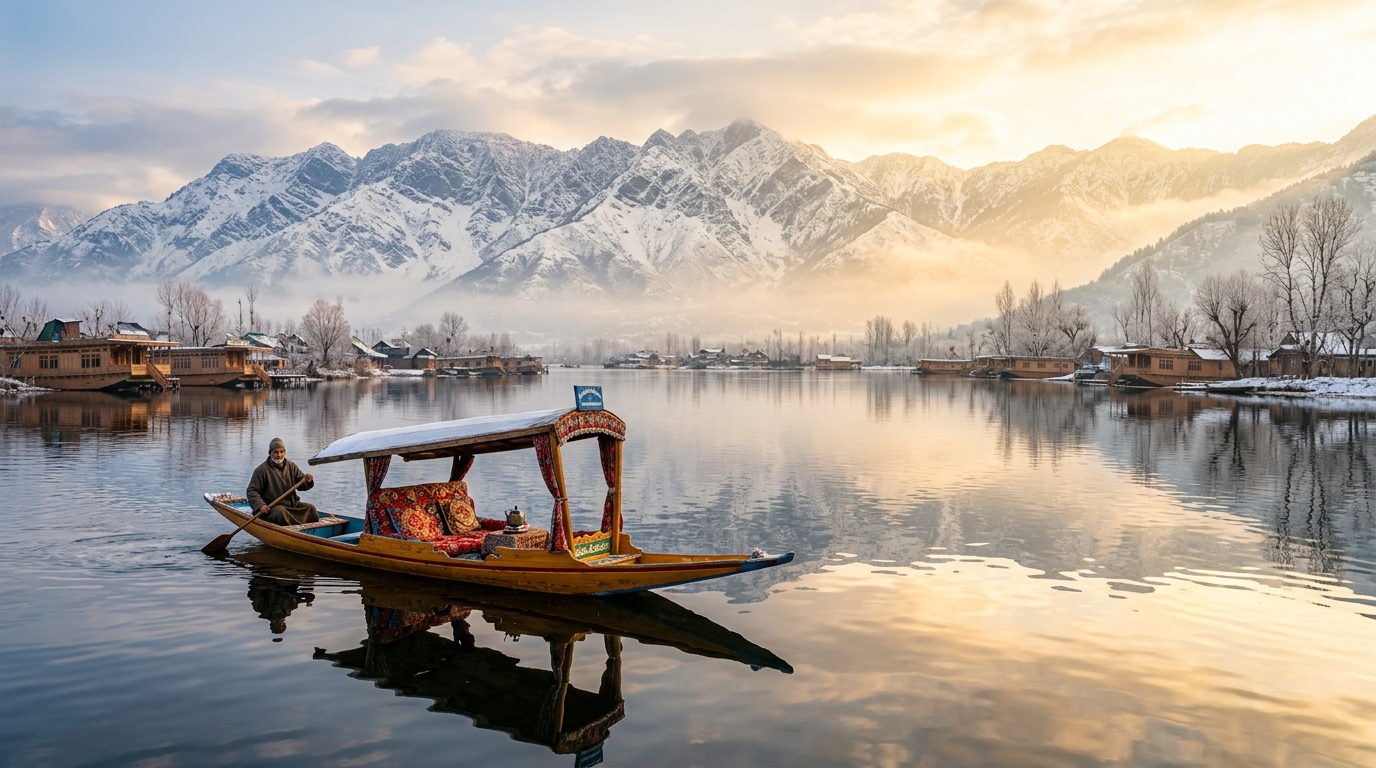
January falls squarely within "Chilai Kalan," the traditional 40-day period of peak Himalayan winter recognized locally between late December and late January. Night temperatures in Srinagar regularly reach -5°C or lower, and shallow fringes of Dal Lake may develop thin surface ice in the early morning.
Travelling in January requires genuine cold-weather preparedness: thermal base layers, fleece mid-layers, windproof outer coats, insulated waterproof footwear, and warm woollen socks. For couples who specifically want to experience an authentic alpine winter atmosphere, January provides high atmospheric drama, provided you keep your schedule flexible enough to accommodate possible weather-related road slowdowns or flight delays.
How Many Days Are Enough? Comparing 4N/5D, 5N/6D, and 6N/7D
A frequent question from travellers booking through MastiTrips is how to balance leave days against the travel itinerary. While everyone wants to see as much as possible, overpacking a winter schedule is counterproductive because shorter daylight hours and mountain driving speeds require conservative pacing.
- 4 Nights / 5 Days (₹45,555/- Per Couple): This is our most popular couple itinerary. Spending 3 nights in Srinagar and 1 night in Pahalgam gives you an efficient, highly focused circuit covering Srinagar gardens, a full-day Gulmarg excursion with Gondola Phase 1 access, and an overnight riverside stay in Pahalgam. It fits neatly into a standard work-week leave.
- 5 Nights / 6 Days (₹55,555/- Per Couple): Adding one additional night removes transit pressure. It allows for a more relaxed morning routine, extra time for photography, and an unhurried exploration of Pahalgam’s pine valleys before heading back to Srinagar.
- 6 Nights / 7 Days (₹59,999/- Per Couple): Ideal for honeymoon couples who want ample leisure time built into their days. You spend less time packing suitcases between stops and more time enjoying mountain views, local Kashmiri tea stalls, and peaceful valley moments.
The Gulmarg Gondola: Phase 1 Inclusions and Operational Realities
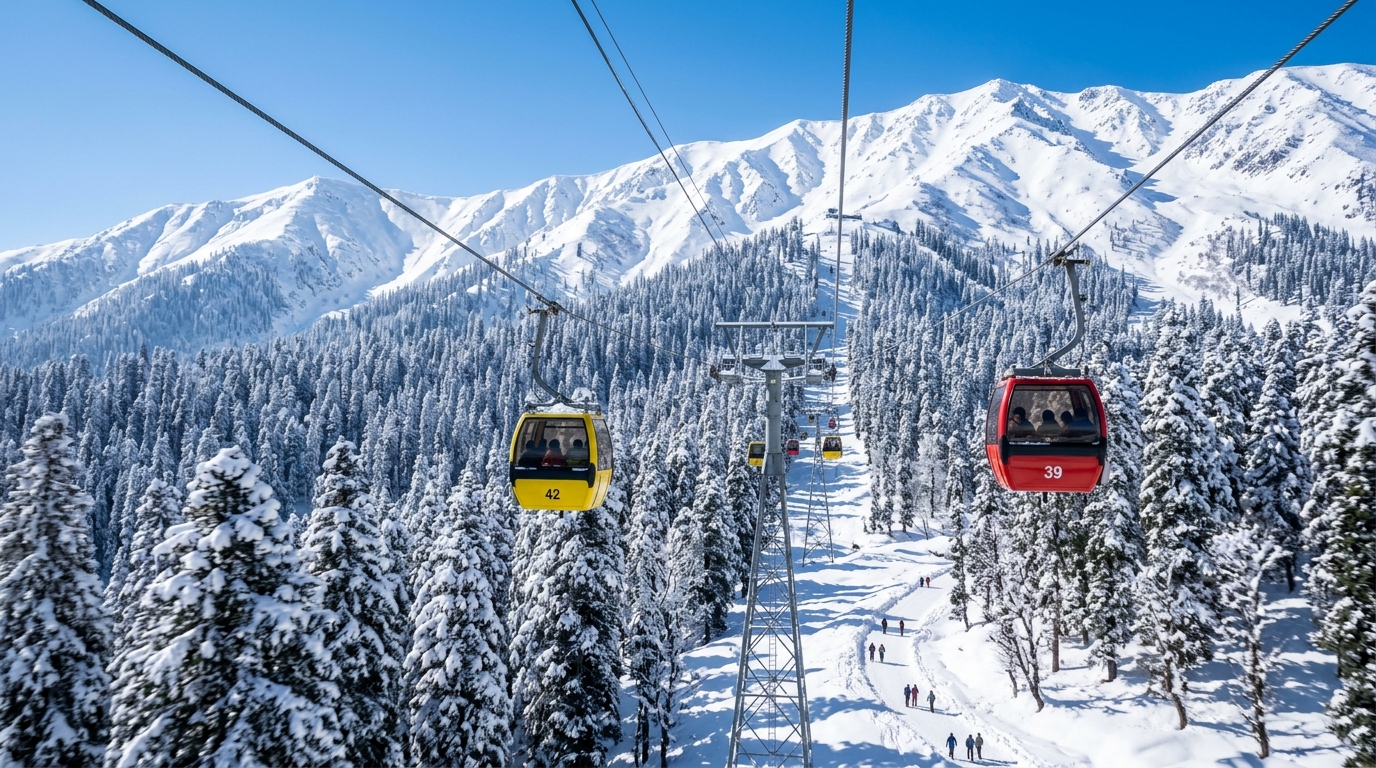
The Gulmarg Gondola is one of the highest cable cars in the world and remains the primary highlight of any winter visit to the Pir Panjal range. In MastiTrips’ Option 1 package (4N/5D), Phase 1 tickets—which transport you from the Gulmarg base station at 2,600 metres up to Kongdoori station at approximately 3,050 metres—are included directly in your package cost.
Kongdoori bowl provides breathtaking panoramic vistas of snow-dusted ridges, pine canopies, and open alpine terrain where basic snow activities and photography can be enjoyed. However, visitors must understand an important operational reality: cable car operation is strictly governed by the Jammu & Kashmir Cable Car Corporation and remains entirely subject to prevailing weather and safety conditions. High wind velocity, mechanical checks, or sudden blizzard conditions can cause temporary operational suspensions. When planning your Gulmarg day, having an experienced driver who organizes your morning arrival at the boarding terminal is essential.
Srinagar vs Pahalgam: Understanding the Difference in Atmosphere
A well-structured Kashmir itinerary balances urban heritage with alpine seclusion. Srinagar and Pahalgam deliver completely different atmospheres, and experiencing both is crucial for a complete journey.
In Srinagar, your stay at Asian Park places you near historical landmarks, paved boulevards, and vibrant handicraft markets where you can find authentic walnut wood carvings, saffron, and Kashmiri shawls. Evenings here can be spent walking by the boulevard or sampling traditional cuisine. By contrast, your stay at Faiz Resort in Pahalgam immerses you in the raw quiet of the Lidder Valley. Nestled among towering deodar and fir trees with the rush of the river nearby, Pahalgam offers serene stillness and pure mountain air that feels a world away from any commercial city center.
What Mumbai Travellers Should Pack for Kashmir
Because Mumbai and Thane residents rarely experience temperatures below 18°C at home, under-packing for a Himalayan winter is the single most common mistake first-time visitors make. Layering is far more effective than bringing a single heavy overcoat:
- October: 1–2 sets of thermal innerwear, medium-weight sweaters, a windproof fleece jacket, comfortable walking sneakers, and a light scarf.
- November: Thermal base layers (top and bottom), fleece pullovers, a insulated down jacket, warm beanie cap, and gloves for early mornings and late evenings.
- December & January: Heavyweight merino or synthetic thermal sets (2–3 pairs), fleece mid-layers, windproof and water-resistant down parka, insulated waterproof gloves, woollen caps covering ears, thick woollen socks, and sturdy boots with slip-resistant soles.
- Everyday Essentials: Moisturizing cold cream, lip balm, UV sunglasses (essential to prevent glare on bright winter days), and personal medications.
What Is Usually Not Included in a Kashmir Package?
Transparency regarding package exclusions is vital for avoiding surprises on the ground. A reputable package handles major fixed logistical commitments—hotels, daily breakfast and dinner, private airport transfers, dedicated chauffeurs, fuel, and designated tickets like Gulmarg Gondola Phase 1 in Option 1.
However, certain expenses remain strictly outside the package price across the travel industry. Airfare between Mumbai (BOM) and Srinagar (SXR) is excluded, as are lunches, entry tickets to Mughal gardens, optional Shikara boat rides, pony rides in Gulmarg or Pahalgam, snow activity rentals (sledges, ski gear), Phase 2 Gondola tickets, tips, and personal shopping. Additionally, certain valleys in Pahalgam (such as Aru or Betaab Valley) operate under local union taxi regulations where external vehicles cannot enter, requiring separate payment if you choose to visit those specific side valleys.
How Much Should a Couple Budget for the Land Package?
At MastiTrips, our Kashmir pricing for the 2026–2027 season is kept transparent and clearly locked by duration for 02 adults sharing a room:
If your planned travel dates fall between 25 December 2026 and 5 January 2027, please note that a seasonal Christmas and New Year surcharge of ₹5,000/- per couple applies. Beyond this package cost, your only major additional budget requirements will be your Mumbai–Srinagar airfare, daily lunches, personal shopping, and any optional activities you choose on the ground.
Is Airfare Included in These Rates?
No. Airfare is not included in these package prices. Package rates cover ground arrangements including hotel accommodation, daily breakfast and dinner, private chauffeur transfers, airport pickups and drops, and sightseeing as specified in Option 1. Travellers may book their BOM–SXR flights independently using credit card reward points or airline portals, or request MastiTrips to book flight tickets at current live airline fares based on your preferred schedule.
Is Kashmir Suitable for Couples?
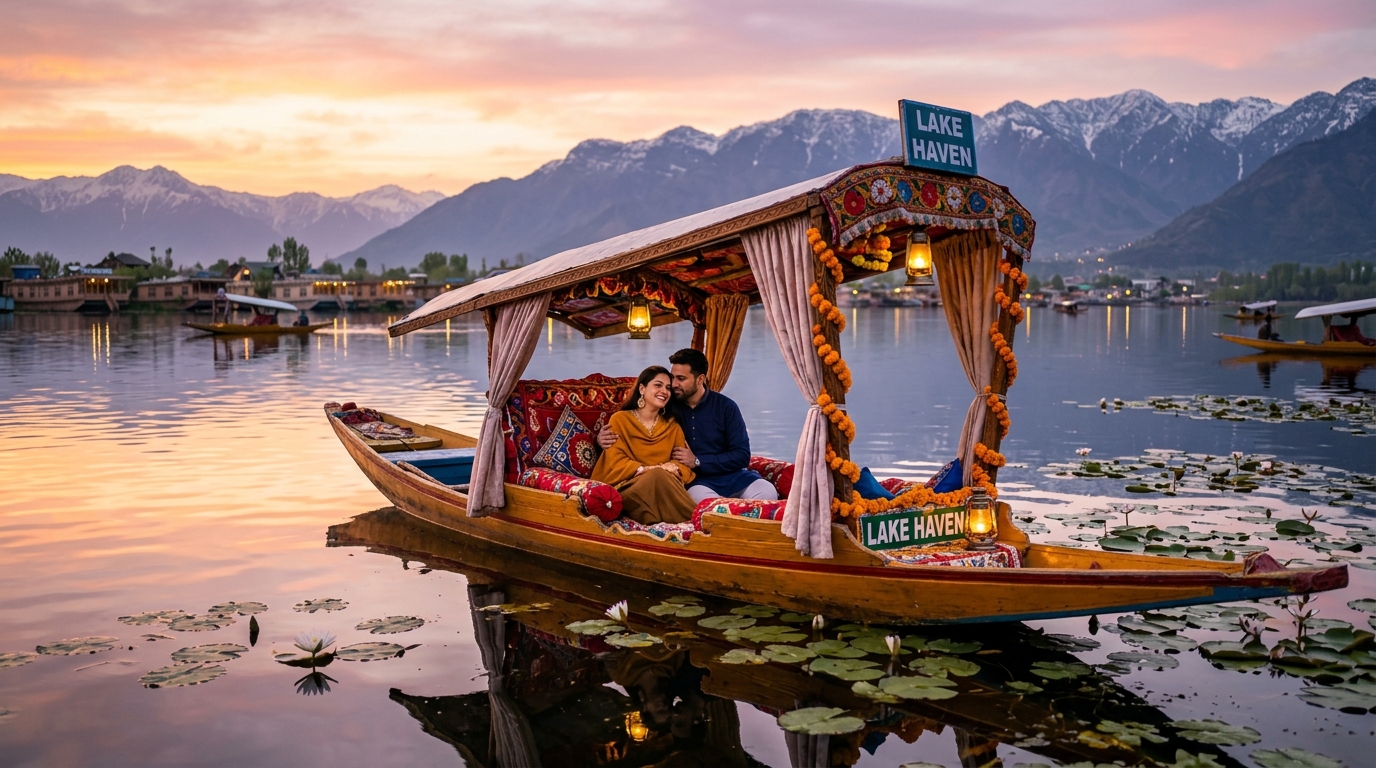
Kashmir has long been one of India’s foremost couple destinations, and for good reason. The combination of serene mountain landscapes, quiet hotel retreats, warm Kashmiri hospitality, and private transport creates an environment where couples can unwind without being rushed through crowded bus tours.
Unlike group tours where large parties dictate meal timings and pit stops, a private car and chauffeur give you complete control over your day. You can stop along the saffron fields of Pampore, sip hot Kashmiri Kahwa at a roadside wooden stall, or linger by the banks of the Lidder River for photography at your own pace.
Final Booking Advice for the 2026–2027 Season
Because winter hotel rooms with proper central heating and reliable amenities in Srinagar and Pahalgam are in high demand, booking well ahead of the October to January season is strongly recommended. Confirm your travel dates, verify hotel room categories, secure your direct flights from Mumbai early to avoid fare surges, and ensure your itinerary matches your personal pace.
At MastiTrips, our team is always ready on WhatsApp and phone call to review your travel dates, explain room configurations, and ensure your winter Kashmir holiday is organized with transparency and care from departure to return.